Fire Safety Checklist for Restaurants in Metro Atlanta
Running a restaurant in Metro Atlanta comes with a set of responsibilities that extend beyond providing quality food and excellent service. One of the most critical responsibilities is ensuring the safety of your employees, patrons, and property. Fire safety for restaurants is not only about protecting a business asset, but also about complying with local and national regulations, minimizing risk, and fostering trust in your community. In an area bustling with dining spots from downtown Atlanta to the suburbs of Lawrenceville, fire protection must be taken seriously. By maintaining a detailed and proactive approach, restaurant owners can significantly reduce the risks associated with fire hazards.
Understanding Fire Hazards in Restaurants
Restaurants are high-risk environments for fires due to the presence of cooking appliances, open flames, grease, and electrical equipment. The National Fire Protection Association reports that a substantial percentage of restaurant fires originate in the kitchen, particularly due to unattended cooking, failure to clean equipment, and electrical malfunctions. In the commercial kitchen environment, fire prevention becomes a matter of daily discipline and routine maintenance.
In Metro Atlanta, where dining establishments range from historic venues to modern culinary hotspots, the risk varies depending on the building structure, kitchen layout, and compliance with safety codes. For example, restaurants operating in older buildings in Decatur or East Point might face different fire safety challenges compared to new establishments in Alpharetta or Sandy Springs. In all cases, a thorough and customized restaurant fire safety checklist should be a foundational part of the business operation.
Key Components of a Restaurant Fire Safety Checklist
Creating a restaurant fire safety checklist starts with identifying areas of potential fire hazards. Cooking equipment such as fryers, ovens, and grills must be regularly inspected and cleaned. Grease accumulation is one of the leading causes of kitchen fires. Exhaust hoods and ducts should be degreased and serviced by professionals according to a set schedule, typically every three to six months depending on usage levels.
Electrical systems should also be inspected regularly. Overloaded circuits, frayed wiring, and improper equipment usage are fire risks that can easily be prevented with routine checks. Employees must be trained to recognize signs of malfunctioning equipment and respond appropriately. Keeping flammable materials like paper products, oils, and alcohol away from heat sources is another essential part of this checklist.
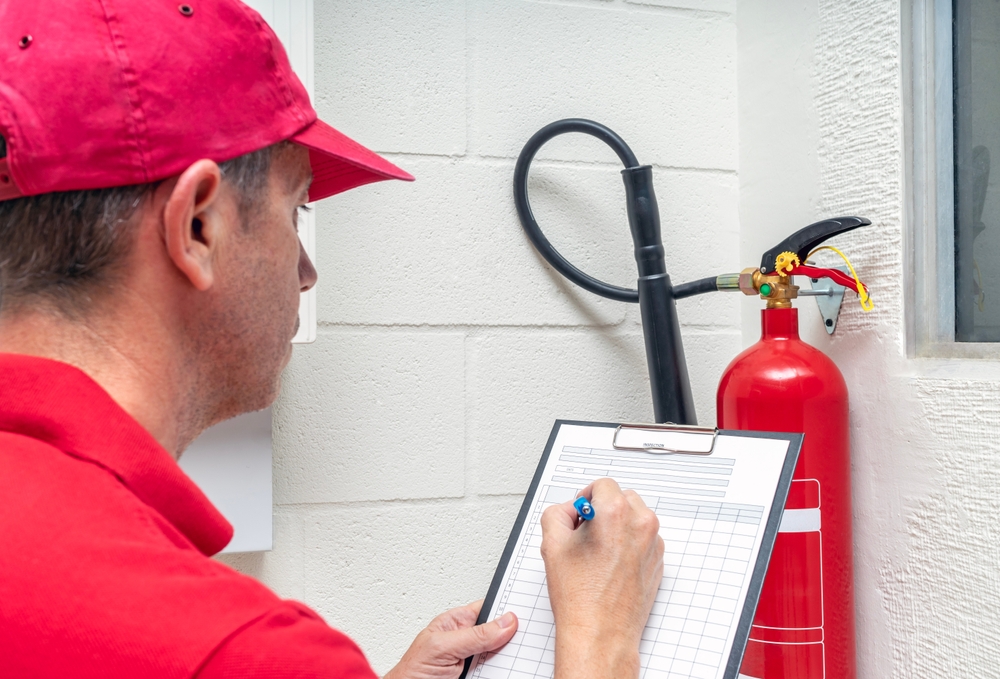
A proper restaurant fire safety checklist includes clear steps for the maintenance and testing of fire suppression systems. In commercial kitchen fire prevention planning, automatic fire suppression systems, typically mounted in hoods, play a vital role. These systems should be inspected semi-annually by licensed professionals to ensure they operate correctly in the event of a fire.
Another vital component is the placement and maintenance of fire extinguishers. Class K fire extinguishers are designed for kitchen fires and should be easily accessible. Staff training on how to use them is equally important. Regular drills and fire evacuation plans should be developed and reviewed frequently to ensure that all employees know what to do in an emergency.
Compliance with Local Fire Codes and Inspections
Local jurisdictions in Metro Atlanta have specific fire codes and inspection requirements. From Lawrenceville to Marietta, fire protection and safety inspections are typically enforced by city or county fire departments. Restaurants must stay updated on the latest codes and ensure their facility is always ready for both scheduled and surprise inspections.
In Lawrenceville, fire protection ordinances require establishments to maintain records of all fire system inspections and staff training. Fire marshals may check these logs during an inspection. Non-compliance can lead to fines, temporary closures, or even the revocation of a business license. Therefore, integrating compliance checks into the restaurant fire safety checklist is a proactive way to avoid unnecessary disruptions and penalties.
Building relationships with local fire departments can be helpful. Some departments offer pre-inspection consultations or training for restaurant staff. By engaging these community resources, restaurant owners can stay ahead of regulations and reinforce their commitment to fire safety for restaurants.
Employee Training and Safety Culture
One of the most powerful tools in commercial kitchen fire prevention is a well-trained staff. Employee education goes beyond basic orientation. Fire safety protocols should be an integral part of onboarding and reinforced regularly through training sessions. Managers should lead by example, ensuring that daily routines reflect a commitment to safety.
In high-stress environments like kitchens, it is easy for safety measures to be overlooked in favor of speed. However, instilling a culture of safety starts with accountability. For instance, closing down a fryer that shows irregular behavior, even during a rush, should be seen as a responsible action rather than a disruption. Regular fire drills, emergency equipment reviews, and first-responder role assignments can help normalize safety practices among staff.
A fire emergency response plan should clearly define evacuation routes, communication procedures, and assembly points. Employees must know how to activate the fire suppression system manually if needed and use a fire extinguisher without hesitation. Encouraging open communication about safety concerns and rewarding responsible behavior further strengthens the culture.
In Metro Atlanta’s competitive restaurant market, reputation matters. Patrons notice and appreciate establishments that visibly prioritize safety. From local diners in College Park to upscale restaurants in Buckhead, a strong fire safety culture also builds customer confidence.
Partnering with Professionals and Vendors
Fire safety for restaurants is not a do-it-yourself initiative. Partnering with licensed professionals ensures that fire systems are properly installed, maintained, and compliant with local codes. Regular service from fire protection companies includes the inspection of fire suppression systems, alarm systems, extinguishers, and emergency lighting. In areas like Lawrenceville, fire protection services are in high demand, especially as the local food scene continues to grow.
Vendors should be vetted for experience and certifications. They should also be available for emergency service calls and provide documentation after every inspection or service. Keeping digital and physical copies of these reports is important during fire marshal inspections.
Restaurant owners should also review their fire insurance policies in partnership with brokers or risk managers. Ensuring coverage is up-to-date and reflects the current value of equipment and structure is crucial in case of a loss. A professional can also help evaluate risk factors and suggest policy upgrades based on the specific characteristics of the location and kitchen operations.
Routine consultations with safety professionals can reveal insights and vulnerabilities that may not be apparent during everyday operations. These partnerships not only improve fire safety readiness but also contribute to the long-term sustainability of the restaurant business in a busy and competitive region like Metro Atlanta.
Conclusion
Fire safety for restaurants is a complex and ongoing responsibility that cannot be ignored. By implementing a comprehensive restaurant fire safety checklist, Metro Atlanta restaurateurs can mitigate risks, ensure compliance, and create a safer environment for employees and guests alike. Whether operating a family-owned BBQ joint in Lawrenceville or a modern bistro in Midtown Atlanta, fire protection should be a core operational priority.
Commercial kitchen fire prevention requires diligence, training, and collaboration with professionals. Compliance with local fire codes, investment in equipment maintenance, and fostering a culture of safety are non-negotiable components of successful restaurant management.
In a region known for its culinary diversity and booming hospitality industry, safeguarding your establishment against fire hazards is both a legal requirement and a moral obligation. As Metro Atlanta continues to grow and evolve, staying vigilant about fire safety is a smart business move that ensures your restaurant remains a thriving and secure place for all who enter.
Need a Fire Equipment Supplier in Lawrenceville, GA?
Hello from AAA Fire Protection Resources, Inc.! Since opening our doors in 1981, we have been providing quality fire protection equipment for commercial locations all across Georgia! Some of the many products we offer include fire hydrants, fire training, emergency lights, exit signs, sprinkler systems, and fire alarms. In addition to selling all these products, we service and install them! We accept orders of all sizes, including large or bulk items! AAA Fire Protection Resources, Inc. offers some of the best equipment on the market all while being associated with the NFOA and NAFED, which ensures quality service! We are also active members of the GAFSED and WBENC! Give us a call today to set up an appointment or place an order!
Categorised in: Fire Safety Compliance, Fire Safety Consultants
This post was written by admin