
Fire Safety Planning for Warehouses and Industrial Facilities in Georgia
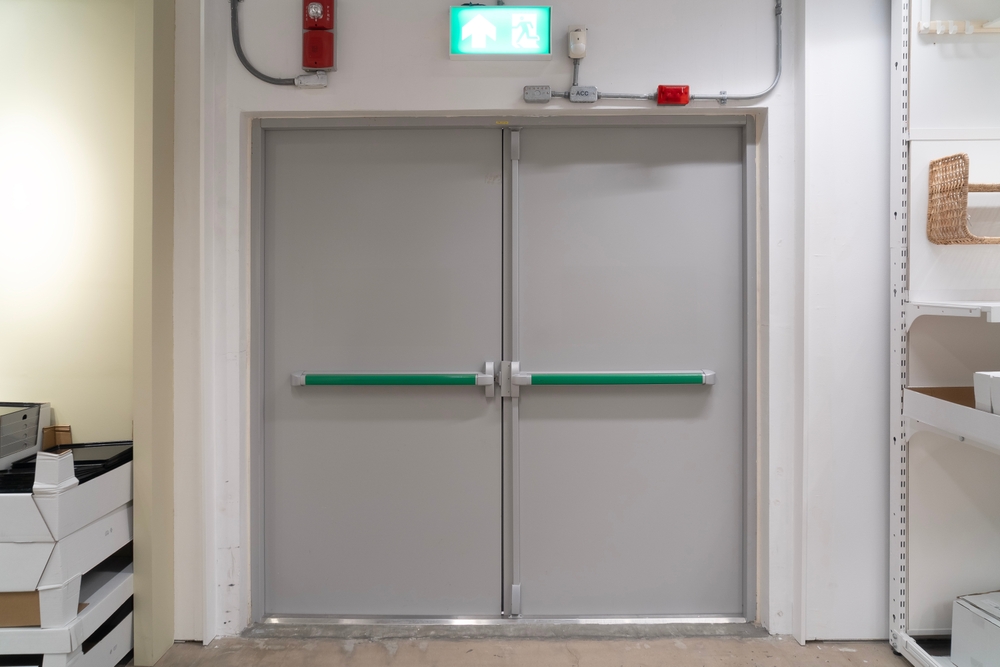
Effective fire safety planning for warehouses and industrial facilities in Georgia is critical for protecting lives, property, and business continuity. These types of environments often involve high volumes of combustible materials, large open spaces, heavy machinery, and complex layouts that pose significant challenges in the event of a fire. Understanding how to develop a comprehensive fire safety plan while staying compliant with local and federal regulations is essential for warehouse managers and industrial facility operators throughout Georgia, including in cities like Lawrenceville and Atlanta.
The Importance of Fire Safety Planning for Warehouses
Warehouses and industrial facilities are particularly vulnerable to fire hazards due to the presence of flammable substances, electrical equipment, and high storage racks that can quickly spread flames and smoke. A well-developed fire safety plan reduces these risks by identifying hazards, outlining emergency procedures, and integrating fire protection systems into the daily operations of a facility.
In Georgia, fire safety regulations are enforced by the State Fire Marshal’s Office, local fire departments, and the U.S. Occupational Safety and Health Administration (OSHA). These entities establish codes and standards that ensure safety within commercial and industrial environments. OSHA fire safety compliance includes requirements for fire extinguisher accessibility, employee training, clear exit routes, and emergency action plans tailored to each facility’s layout and function.
Fire safety planning should address specific operational risks and accommodate the unique design and workflow of each warehouse or industrial plant. From raw material storage to production lines, every aspect of the environment must be considered. Regular safety audits, risk assessments, and inspections play an important role in maintaining an up-to-date fire protection strategy that evolves with the facility.
The Role of Fire Protection Systems in Industrial Facilities
Fire protection systems are the backbone of any fire safety plan. These systems include both active and passive components, such as fire sprinkler systems for warehouses and fire alarm systems for industrial facilities. In Georgia, building codes mandate the installation of certain systems depending on the type of occupancy and fire load present within a facility.
Sprinkler systems are among the most effective tools for suppressing fires in large commercial spaces. Designed to activate automatically when heat is detected, fire sprinkler systems for warehouses can prevent flames from spreading uncontrollably and minimize property loss before firefighters arrive. In many jurisdictions, warehouses exceeding certain square footage or storing hazardous materials are legally required to have automatic sprinklers installed.
Fire alarm systems play a complementary role by detecting smoke, heat, or flame and alerting personnel through audible and visual signals. In industrial facilities where noise levels are high and employee movement is restricted by machinery or layout, these alarm systems must be strategically positioned and maintained to ensure quick evacuation and emergency response.
In addition to sprinklers and alarms, industrial fire protection services may include smoke ventilation systems, fire-resistant building materials, and fire suppression agents such as foam or gas. A professional assessment is typically necessary to determine the most appropriate combination of systems for each facility’s specific risks.
Regulatory Requirements in Georgia and OSHA Compliance
Compliance with Georgia fire safety regulations and OSHA standards is mandatory for all warehouses and industrial facilities operating in the state. The Georgia State Minimum Fire Safety Standards, based on the National Fire Protection Association (NFPA) codes, set guidelines for building construction, fire system installation, and emergency planning.
Local municipalities, including cities like Lawrenceville, may adopt additional ordinances that exceed the state minimums. Business owners must stay informed of both state and local requirements to ensure full compliance. Failure to do so can result in fines, legal liability, and increased insurance premiums.
OSHA fire safety compliance applies to all workplaces under federal jurisdiction. Employers must create written fire prevention plans and emergency action plans that are communicated to employees. These plans must include details such as procedures for reporting fires, evacuation routes, roles of designated personnel, and the maintenance of fire protection equipment. Routine training and fire drills are also required to ensure readiness in the event of a fire.
Partnering with licensed commercial fire protection services is an effective way to ensure that all aspects of compliance are met. These service providers can assist with the installation and inspection of systems, the preparation of documentation, and the coordination with fire marshals for permit approvals and inspections.
Choosing the Right Fire Protection Services in Georgia
The success of a fire safety plan often depends on the expertise and reliability of the fire protection service provider. In Georgia, there are numerous providers specializing in commercial and industrial fire protection. When selecting a partner, it is important to consider their certifications, service offerings, and experience with similar facility types.
Fire protection services in Lawrenceville, GA, for example, often include consultation, system design, installation, testing, maintenance, and 24-hour emergency response. Many providers offer turnkey solutions tailored specifically for warehouse fire protection in Georgia, ensuring that all elements of NFPA and local code compliance are met.
Another key factor is the provider’s ability to integrate fire protection solutions with existing building management systems. Modern fire alarm systems for industrial facilities are often networked with security, HVAC, and lighting systems to provide comprehensive control and automation during an emergency.
Service providers should also offer regular inspections and system testing to maintain certification and operational readiness. Equipment such as sprinklers, alarms, extinguishers, and hydrants must be inspected annually, with detailed records maintained for fire department audits and insurance reviews.
Best Practices for Fire Safety Planning and Implementation
Fire safety planning for warehouses is not a one-time task but a continuous process that involves planning, execution, evaluation, and improvement. The development of a fire safety culture within the facility is critical. This begins with employee awareness and extends to executive leadership, who must allocate sufficient resources and support for safety initiatives.
Warehouse and industrial facility managers should conduct fire risk assessments regularly, especially after layout changes, equipment upgrades, or changes in material storage. These assessments help identify new hazards and allow for the timely updating of fire prevention plans.
All employees should be trained in fire safety protocols, including evacuation routes, alarm response, and the use of fire extinguishers. In large facilities, fire wardens or safety officers should be assigned to assist during emergencies and ensure that evacuation procedures are followed efficiently.
Integrating fire safety planning with overall business continuity and disaster recovery strategies ensures that operations can resume quickly following an incident. This may include creating redundancy in critical operations, securing data backups off-site, and establishing partnerships with emergency responders.
Conclusion
Fire safety planning for warehouses and industrial facilities in Georgia is a vital responsibility that requires proactive measures, regulatory compliance, and the integration of reliable fire protection systems. Whether through fire sprinkler systems for warehouses or comprehensive fire alarm systems for industrial facilities, the goal is to safeguard personnel, protect valuable assets, and maintain operational continuity.
With Georgia’s strict fire safety regulations and OSHA fire safety compliance standards, facility operators must stay vigilant and regularly update their safety plans. Professional support from commercial fire protection services ensures that all systems are functioning correctly and all legal obligations are met.
By prioritizing safety and preparedness, warehouses and industrial facilities in Georgia, including in locations such as Lawrenceville, can create environments that are not only productive but also resilient against fire-related risks.
Need a Fire Equipment Supplier in Lawrenceville, GA?
Hello from AAA Fire Protection Resources, Inc.! Since opening our doors in 1981, we have been providing quality fire protection equipment for commercial locations all across Georgia! Some of the many products we offer include fire hydrants, fire training, emergency lights, exit signs, sprinkler systems, and fire alarms. In addition to selling all these products, we service and install them! We accept orders of all sizes, including large or bulk items! AAA Fire Protection Resources, Inc. offers some of the best equipment on the market all while being associated with the NFOA and NAFED, which ensures quality service! We are also active members of the GAFSED and WBENC! Give us a call today to set up an appointment or place an order!
Categorised in: Fire Safety Compliance, Fire Safety Consultants
This post was written by admin