Understanding Fire Codes in Georgia: What Your Business Needs to Know in 2026
As 2026 begins, commercial property owners and business operators across Georgia face an evolving set of responsibilities regarding fire safety. Understanding and complying with Georgia fire codes 2026 is more important than ever, especially with new amendments to standards, inspection procedures, and enforcement policies coming into effect. Whether you are managing a small retail outlet or operating a multi-story office complex, staying informed about these changes is critical for the safety of your employees, patrons, and property, as well as for maintaining legal compliance.
Overview of Georgia Fire Safety Regulations
Georgia fire safety regulations are governed primarily by the Georgia State Minimum Fire Safety Standards, which are based on the International Fire Code (IFC) with state-specific amendments. These codes are enforced by the Georgia State Fire Marshal’s Office, along with local fire departments that carry delegated authority.
In 2026, Georgia continues its alignment with the 2021 edition of the IFC, but with additional state-mandated updates aimed at improving clarity, accountability, and life safety measures. These changes reflect growing concerns around emergency preparedness, fire prevention technology, and the increasing complexity of modern commercial buildings.
One of the most significant updates in 2026 is a tighter focus on fire suppression systems, especially in high-occupancy commercial spaces. Business owners are now required to conduct more frequent inspections of their sprinkler systems and maintain accurate records of all maintenance activities. Fire alarm systems must also meet stricter verification and response standards to reduce false alarms and ensure faster emergency response.
Key Commercial Fire Code Requirements in Georgia
For commercial establishments, Georgia fire codes 2026 impose a comprehensive list of requirements aimed at preventing fire hazards and ensuring safe evacuation during emergencies. Fire exits must be unobstructed and clearly marked, with illumination maintained through backup power systems. Emergency lighting requirements have also been updated to ensure visibility during power outages or smoky conditions.
Electrical safety remains a top concern. All electrical installations must comply with the latest National Electrical Code (NEC) standards, and overloaded circuits or temporary wiring setups are now being flagged more aggressively during inspections.
Another area of focus is hazardous material storage. Businesses that store flammable or combustible substances must now follow updated labeling, ventilation, and distance regulations. This is especially relevant for manufacturers, auto repair shops, and laboratories, which are subject to more detailed inspection checklists.
Restaurants, in particular, are subject to stricter commercial fire code requirements in Georgia in 2026. Commercial kitchens must have grease-laden vapor ventilation systems inspected and cleaned at increased intervals. Fire suppression systems over cooking appliances must now include updated UL 300-compliant extinguishing systems to align with national safety standards.
Fire Code Compliance: Georgia Business Responsibilities
Fire code compliance in Georgia is not just about passing inspections. It requires proactive planning, documentation, training, and ongoing communication with local authorities. Businesses are expected to maintain current fire safety plans, which outline evacuation procedures, employee responsibilities, and locations of fire safety equipment. These plans must be reviewed and updated annually, especially when any structural or operational changes occur.
Employee training is also mandatory. All businesses must conduct fire drills at least once a year, with certain high-risk industries required to hold them quarterly. Staff must be familiar with evacuation routes, fire extinguisher use, and how to report emergencies.
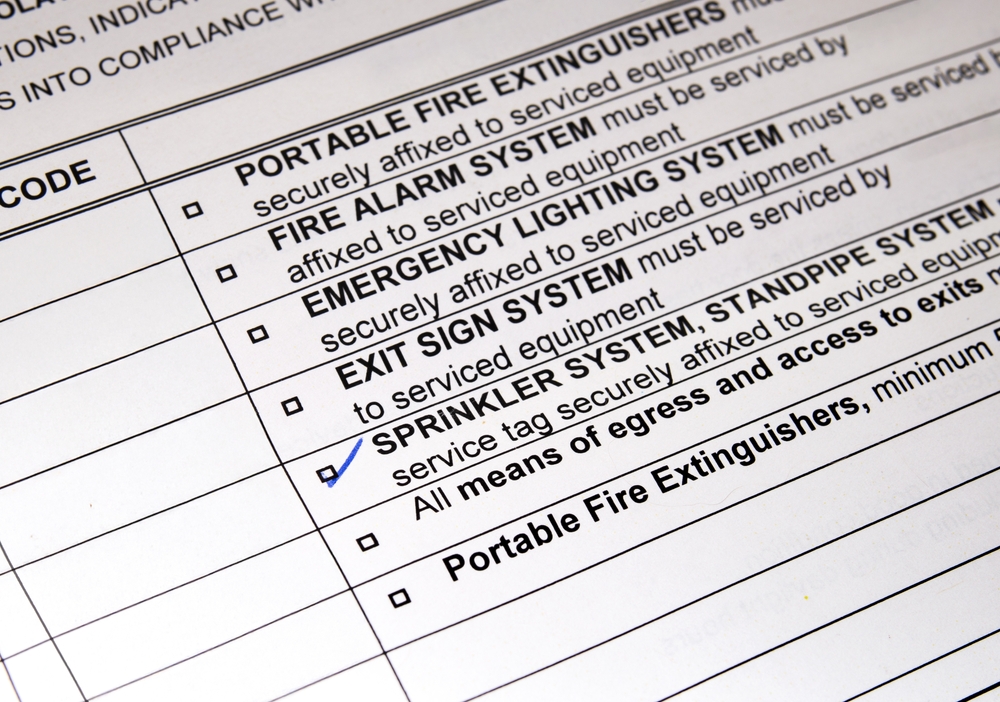
Documentation plays a pivotal role in demonstrating fire code compliance. This includes inspection reports, system maintenance logs, and emergency training records. During annual inspections, fire marshals often request this documentation as part of the compliance review.
In 2026, the use of digital fire safety recordkeeping has increased across Georgia. Many jurisdictions now offer or require online platforms for submitting inspection results, permit applications, and compliance reports. Businesses that embrace these systems benefit from streamlined communication and often faster permit approvals.
Inspections and Enforcement in 2026
The State Fire Marshal and local fire departments carry out scheduled and unscheduled inspections to verify compliance with Georgia fire safety regulations. In 2026, these inspections have become more standardized and data-driven. Inspectors now use electronic tablets to log violations, take photographs, and instantly issue compliance notices or citations.
One important change for 2026 is the increased emphasis on post-construction inspections. Any business that undergoes remodeling, expansion, or change of use must pass a comprehensive fire code inspection before receiving occupancy approval. This includes verifying proper fire-rated construction materials, egress accessibility, and updated alarm or sprinkler systems.
Fines for non-compliance have also increased. Minor infractions, such as expired fire extinguisher tags or blocked exit routes, can result in immediate citations and follow-up inspections. More serious violations, such as disabled sprinkler systems or missing alarms, may result in closure orders until the hazards are corrected.
Local governments across Georgia are also enhancing collaboration between building code inspectors and fire officials to reduce oversight gaps. This means a higher likelihood that violations will be identified during routine business license renewals or construction permits.
Preparing for the Future of Fire Safety in Georgia
As fire safety technology advances and Georgia’s commercial infrastructure evolves, the state is taking proactive steps to integrate emerging tools into its regulatory framework. In 2026, businesses are encouraged to adopt smart fire detection systems, which use AI-based sensors to differentiate between real fires and false alarms. These systems are especially useful in large buildings, warehouses, and facilities with high foot traffic.
Cloud-based fire safety monitoring platforms are also gaining popularity. These platforms connect fire alarm and sprinkler systems directly with monitoring centers and local fire departments, allowing for real-time alerts and faster response times. Georgia regulators are beginning to offer incentives for businesses that invest in these technologies, recognizing their potential to reduce fire-related damage and loss of life.
Sustainability is also intersecting with fire safety. In new green building projects, the use of non-combustible insulation materials, natural smoke ventilation systems, and eco-friendly fire suppression solutions is becoming more common. Georgia’s fire codes are being updated to support these innovations without compromising safety.
Looking ahead, businesses should expect ongoing amendments to fire safety regulations. The State Fire Marshal’s Office holds regular public hearings and publishes proposed code updates well in advance, giving stakeholders time to prepare. Business owners are encouraged to stay connected to these updates and participate in discussions when possible.
Conclusion
Understanding Georgia fire codes 2026 is essential for any business operating in the state. The updated regulations reflect a broader effort to modernize fire safety, strengthen enforcement, and encourage the use of new technologies. Compliance is not just a legal obligation but a critical part of protecting people and property.
By staying current on fire safety standards, maintaining accurate documentation, and investing in proper training and equipment, businesses can create safer environments for their employees and customers. Navigating fire code compliance in Georgia may seem complex, but with the right preparation and a proactive mindset, it is entirely manageable.
Business owners should treat fire safety as a continuous priority, not just a checklist for annual inspections. As 2026 progresses, those who stay ahead of regulatory changes will not only avoid penalties but will also demonstrate leadership in safety and responsibility within their industries.
Need a Fire Equipment Supplier in Lawrenceville, GA?
Hello from AAA Fire Protection Resources, Inc.! Since opening our doors in 1981, we have been providing quality fire protection equipment for commercial locations all across Georgia! Some of the many products we offer include fire hydrants, fire training, emergency lights, exit signs, sprinkler systems, and fire alarms. In addition to selling all these products, we service and install them! We accept orders of all sizes, including large or bulk items! AAA Fire Protection Resources, Inc. offers some of the best equipment on the market all while being associated with the NFOA and NAFED, which ensures quality service! We are also active members of the GAFSED and WBENC! Give us a call today to set up an appointment or place an order!
Categorised in: Fire Safety Compliance
This post was written by admin