
How Weather and Humidity in Georgia Can Affect Fire Protection Systems
Georgia is known for its warm summers, mild winters, and notably high humidity levels throughout much of the year. While residents and business owners have long adapted to the sticky Southern climate, many overlook how significantly these environmental conditions can affect the performance and longevity of their fire protection systems. From corroded sprinkler pipes to humidity effects on fire alarms, the Georgia climate presents a unique set of challenges that property owners must understand and address through consistent fire protection maintenance in Georgia.
The Georgia Climate: A Unique Challenge for Fire Safety Equipment
Georgia sits in a humid subtropical climate zone, meaning it experiences long, hot summers with frequent rainfall and relatively mild winters. Average humidity levels across the state often hover between 70 and 80 percent, and in coastal and southern regions, that figure can climb even higher. Cities like Savannah regularly experience some of the most oppressive humidity in the entire country, while Atlanta, though slightly drier, still sees substantial moisture accumulation throughout spring and summer.
This persistent moisture in the air does not simply make residents uncomfortable. It actively interacts with metal components, electrical systems, and sealed connections inside fire protection systems. Over time, even well-installed equipment begins to show the wear that comes from constant exposure to warm, humid air. Understanding this relationship is the first step in protecting your investment and, more importantly, the lives of the people inside your building.
Weather Impact on Fire Sprinkler Systems
The weather impact on fire sprinkler systems in Georgia is most visible in the form of corrosion. Steel and iron pipes used in wet and dry fire sprinkler systems are highly susceptible to rust and oxidation when exposed to moisture over extended periods. In Georgia, where humidity rarely drops to truly comfortable levels, the interior walls of sprinkler pipes can begin to corrode from the inside out, even when the system appears perfectly functional from the outside.
Wet pipe systems, which keep water inside the pipes at all times, face a particular challenge. Standing water mixed with oxygen creates an environment where microbiologically influenced corrosion (MIC) can thrive. This type of corrosion is accelerated in warm climates like Georgia, where higher temperatures allow bacteria to grow and multiply more rapidly within the pipe walls. Left unchecked, MIC can eat through pipe walls in a matter of years, leading to leaks, reduced water pressure, and system failure during an actual fire emergency.
Dry pipe systems, which use pressurized air or nitrogen instead of water, are not immune either. Georgia summers bring intense humidity into the air supply that pressurizes these systems. When warm, humid air enters a dry pipe system and encounters cooler metal pipe walls, condensation forms. That trapped moisture leads to the same corrosive processes, often in areas that are far more difficult to inspect and treat.
Freezing is less of a concern in Georgia than in northern states, but property owners should not dismiss it entirely. North Georgia mountains and higher elevations can experience hard freezes during winter months, putting exposed or poorly insulated pipes at risk of cracking. A single overnight freeze can cause significant damage to a system that was never winterized or installed with freeze protection in mind.
Humidity Effects on Fire Alarms and Detection Equipment
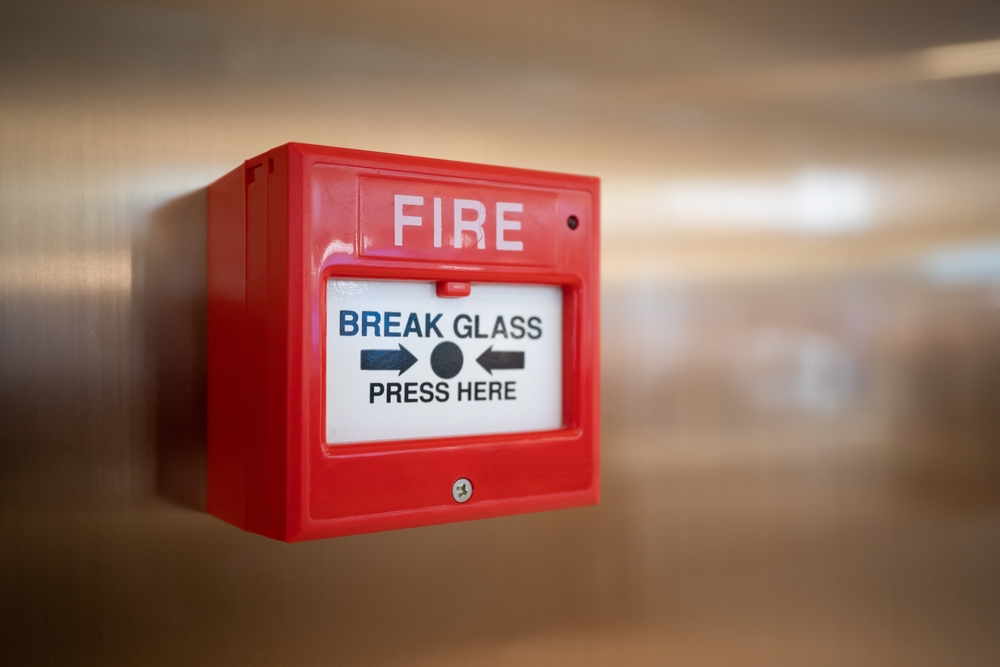
Beyond sprinkler pipes, Georgia humidity poses serious risks to detection and alarm equipment as well. The humidity effects on fire alarms range from nuisance issues like false alarms to serious malfunctions that could delay emergency response during a real fire.
Smoke detectors and heat sensors contain sensitive electronic components that were designed to operate within specific humidity ranges. When moisture infiltrates these devices, it can cause electrical shorts, sensor drift, and signal interference. In high-humidity environments, smoke detectors may trigger false alarms as water vapor in the air mimics the particulate density associated with actual smoke. This is especially common in kitchens, bathrooms, laundry rooms, and exterior-mounted devices across Georgia properties.
Control panels and notification appliances are similarly vulnerable. Corrosion on terminal connections inside a fire alarm control panel can create resistance in the circuit, causing communication errors between devices. In commercial buildings, these communication failures may go unnoticed until an annual inspection reveals widespread corrosion that requires costly repairs or full component replacement.
The good news is that modern fire alarm technology has advanced considerably, and many manufacturers now offer humidity-resistant housings and components rated for use in harsh climates. Specifying the right equipment during installation and ensuring proper sealing of junction boxes and enclosures goes a long way toward mitigating these risks in Georgia’s climate.
Commercial Fire Sprinkler Corrosion Prevention Strategies
Commercial fire sprinkler corrosion prevention is one of the most important conversations a Georgia property owner can have with their fire protection contractor. Fortunately, several proven strategies exist to extend the life of sprinkler systems and maintain reliable performance despite the challenging climate.
Nitrogen-based fill systems have become one of the most effective tools available for corrosion prevention. By replacing oxygen-rich air inside dry pipe and pre-action systems with dry nitrogen, contractors eliminate the primary ingredient that drives corrosion. Nitrogen does not support the oxidation reactions that rust metal pipes, and it also suppresses the bacterial growth associated with MIC. Many Georgia fire protection companies now offer nitrogen generation systems as an upgrade for both new installations and existing systems.
Internal pipe coatings and corrosion-resistant materials are another layer of protection. Chlorinated polyvinyl chloride (CPVC) piping, for example, is immune to corrosion and has become increasingly popular in residential and light commercial installations throughout Georgia. For systems that must use steel, applying interior epoxy coatings during manufacturing or installation provides a barrier between the pipe wall and the water or air inside.
Regular flushing and water quality testing are essential components of any corrosion prevention plan. Stagnant water inside wet pipe systems gradually becomes corrosive as dissolved oxygen, mineral content, and microbial activity increase over time. Scheduling periodic system flushes removes this degraded water and allows contractors to assess the internal condition of the pipes. Water samples tested by a laboratory can reveal early signs of MIC before visible damage occurs, giving property owners time to intervene before a catastrophic failure develops.
Fire Protection Maintenance in Georgia: What Property Owners Must Do
Staying ahead of Georgia’s climate requires a commitment to regular, thorough fire protection maintenance in Georgia. The National Fire Protection Association (NFPA) sets the baseline standards for inspection, testing, and maintenance of fire sprinkler systems (NFPA 25) and fire alarm systems (NFPA 72). In Georgia, these standards are adopted and enforced by local authorities having jurisdiction (AHJ), and compliance is not optional for commercial property owners.
Annual inspections are the minimum, but in high-humidity environments, more frequent visits from a licensed fire protection contractor are strongly recommended. Quarterly checks of water flow devices, pressure gauges, and alarm components allow technicians to catch early signs of corrosion, moisture intrusion, or component failure before they escalate. Infrared scanning of control panels can detect heat signatures from corroded connections that would otherwise go unnoticed until a failure occurs.
Property owners should also maintain detailed records of all inspections, tests, and repairs. Georgia’s humidity means that problems can develop quickly between inspection cycles, and having a documented maintenance history helps contractors identify patterns and anticipate where the next issue is likely to emerge.
Training building staff to recognize warning signs is equally valuable. Discolored water from sprinkler drain tests, unusual odors near control panels, or recurring false alarms from the same device are all signals that the system needs professional attention sooner rather than later.
Conclusion
Georgia’s warm, humid climate is not going away, and neither are the challenges it creates for fire protection systems. By understanding how weather and moisture affect everything from commercial fire sprinkler corrosion prevention to humidity effects on fire alarms, property owners can take a proactive approach to maintenance. Partnering with a qualified local contractor, following NFPA standards, and investing in corrosion-resistant technologies are the most reliable ways to ensure your fire protection systems perform when it matters most.
Need a Fire Equipment Supplier in Lawrenceville, GA?
Hello from AAA Fire Protection Resources, Inc.! Since opening our doors in 1981, we have been providing quality fire protection equipment for commercial locations all across Georgia! Some of the many products we offer include fire hydrants, fire training, emergency lights, exit signs, sprinkler systems, and fire alarms. In addition to selling all these products, we service and install them! We accept orders of all sizes, including large or bulk items! AAA Fire Protection Resources, Inc. offers some of the best equipment on the market all while being associated with the NFOA and NAFED, which ensures quality service! We are also active members of the GAFSED and WBENC! Give us a call today to set up an appointment or place an order!
Categorised in: Fire Protection System
This post was written by admin