
The Most Overlooked Fire Safety Equipment in Commercial Properties (And Why It Matters)
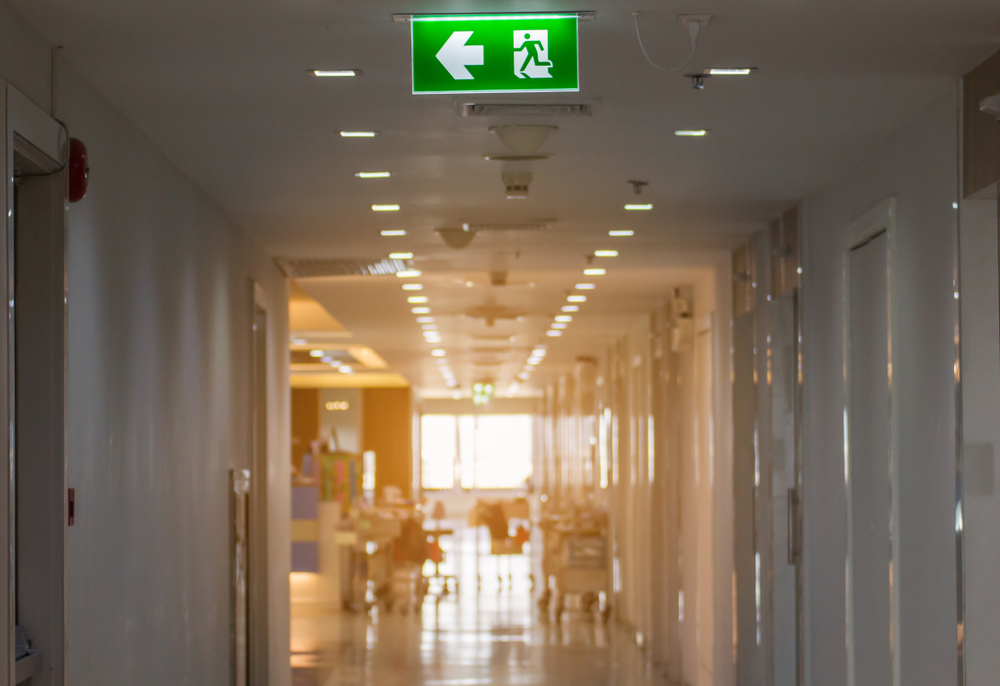
When most business owners think about fire safety, their minds go straight to the obvious: sprinkler systems, fire extinguishers, and smoke detectors. These are the visible, familiar faces of commercial fire safety systems. But seasoned fire safety professionals will tell you that the equipment most likely to fail during an emergency is often the equipment nobody thinks about until it is too late. Overlooked fire safety equipment is a serious liability, and ignoring it puts lives, assets, and legal standing at risk.
This post breaks down the five most neglected areas of fire protection in commercial buildings and explains why each one deserves your immediate attention.
1. Emergency Lighting Systems: The Dark Side of Fire Safety Compliance
Emergency lighting is one of the most critically undervalued components in any commercial fire safety system. When a fire breaks out, smoke fills corridors quickly, power is often disrupted, and the difference between a safe evacuation and a tragic one can come down to whether your emergency lights actually work.
The problem is that emergency lighting inspection is rarely prioritized the way it should be. Many facilities managers test the lights by briefly pressing the test button and moving on, never conducting a full discharge test that simulates a real power failure. NFPA 101, the Life Safety Code, requires that emergency lighting systems be capable of operating for a minimum of 90 minutes during a power outage. A quick button press does not verify that capacity.
Beyond duration, the placement of emergency lighting matters enormously. Exit signs with integrated lighting, pathway illumination along corridors, and lighting near stairwells must all meet specific brightness thresholds. Over time, bulbs degrade, batteries lose their charge capacity, and fixtures accumulate dust that dims their output. Without a rigorous emergency lighting inspection schedule, these slow declines go unnoticed.
For commercial properties, the consequences of non-compliance go beyond safety. Failing an inspection can result in fines, forced closure, and in the event of an incident, significant legal exposure. Scheduling quarterly functional tests and annual full-duration tests is the baseline, not the gold standard.
2. Fire Dampers and Smoke Dampers: Hidden Inside Your Walls
If you asked most commercial property managers to locate their fire dampers, many could not do it. These devices are installed inside HVAC ductwork at points where ducts pass through fire-rated walls, floors, and ceilings. Their entire job is to close automatically when they detect heat or smoke, preventing fire and toxic gases from traveling through a building’s ventilation system.
Fire dampers are a critical piece of overlooked fire safety equipment precisely because they are invisible. Out of sight truly means out of mind. Yet the NFPA 80 standard requires that fire dampers be tested at regular intervals, typically every four years for most installations and every six years for hospitals. Many commercial buildings are years overdue on these inspections, and the owners have no idea.
When a fire damper fails to close, the consequences can be catastrophic. Fire spreads faster, smoke infiltrates areas of the building that might otherwise be safe refuges, and firefighters face a significantly more dangerous and complex situation. Fire protection equipment maintenance that ignores dampers is incomplete by definition, regardless of how current your extinguisher tags are.
The inspection process itself requires trained technicians who can physically access each damper, verify that it closes and resets properly, and document everything according to code. This is not a DIY task, and it is not optional.
3. Fire Alarm System Components You Are Probably Not Testing
Everyone knows their building has a fire alarm. Far fewer people can tell you when each component of that system was last individually tested. Fire alarm system components include far more than the panel and the pull stations. The full list covers heat detectors, duct smoke detectors, supervisory devices, notification appliances, interface modules, and the communication pathways that connect everything to a central monitoring station.
Duct smoke detectors are a particularly common blind spot. These devices are installed inside HVAC ducts to detect smoke before it is distributed throughout a building. Because they are hidden inside ductwork, they are easy to forget and difficult to access for testing. However, they are required by NFPA 72 to be tested annually, and failure to do so creates both a safety gap and a code violation.
Notification appliances, meaning horns, strobes, and speakers, also degrade over time. A strobe that flickers or a horn that produces insufficient decibel output may not alert everyone in the building during an emergency, particularly those with hearing impairments who rely on visual signals. Testing commercial fire safety systems should include verification that every notification device meets the output requirements defined in the original system design.
The communication link between your fire alarm panel and the monitoring station is another overlooked vulnerability. If that connection is broken due to a phone line change, a network configuration update, or a hardware failure, your alarm may activate locally but never reach the fire department. Testing this pathway is a fundamental part of responsible fire alarm system components maintenance.
4. Portable Fire Extinguisher Placement and Condition
Fire extinguishers are arguably the most recognized piece of fire protection equipment in any building. Ironically, they are also one of the most commonly mismanaged. Proper management involves more than just hanging a red cylinder on the wall and having someone sign off on it once a year.
Travel distance is a frequently overlooked compliance issue. NFPA 10 specifies maximum travel distances to extinguishers based on the hazard classification of the space. In a standard office environment, occupants should never have to travel more than 75 feet to reach an extinguisher. In higher-hazard areas such as commercial kitchens or storage rooms with flammable materials, that distance drops significantly. When furniture is rearranged, rooms are repurposed, or new equipment is added, extinguisher placement rarely gets updated to match.
Condition issues are equally common. Extinguishers with broken tamper seals, low pressure gauges, damaged hoses, or illegible labels are not just out of compliance; they are useless in an emergency. Monthly visual inspections, annual professional servicing, and periodic internal examinations (hydrostatic testing) are all required under NFPA 10. Skipping any of these steps turns a life-safety device into a liability.
Specialty extinguisher requirements add another layer of complexity. Commercial kitchens require Class K extinguishers. Electrical rooms may require CO2 or clean-agent units. Using the wrong type of extinguisher on the wrong type of fire can make the situation dramatically worse. Verifying that the right equipment is in the right places is a core part of overlooked fire safety equipment management.
5. Standpipe Systems: Forgotten Until They Are Desperately Needed
Standpipe systems are the large-diameter pipes installed throughout multi-story commercial buildings to provide firefighters with an on-site water supply. They eliminate the need for firefighters to run hundreds of feet of hose from a street-level hydrant up multiple flights of stairs during an active fire. In high-rise buildings especially, they are not a backup system; they are the primary firefighting infrastructure.
Yet standpipe systems are among the most neglected commercial fire safety systems in existence. They are inspected infrequently, their hose connections corrode or are painted over, and pressure-reducing valves, which are designed to limit outlet pressure to safe levels, often drift out of calibration over time. A pressure-reducing valve set too low can provide inadequate water flow to firefighters when it matters most, with potentially fatal consequences.
NFPA 25 governs the inspection, testing, and maintenance of water-based fire protection systems, including standpipes. Annual inspections, five-year internal inspections, and periodic flow tests are all required. Buildings that have not had these systems properly evaluated in years are operating with a significant and hidden fire safety risk.
Conclusion
The gap between having fire safety equipment and having fire safety equipment that actually works is wider than most commercial property owners realize. Emergency lighting inspection, fire damper testing, full verification of fire alarm system components, proper extinguisher management, and standpipe maintenance are all areas where compliance tends to slip. Addressing overlooked fire safety equipment is not just about passing inspections. It is about ensuring that when the moment comes, everything works exactly as designed.
Need a Fire Equipment Supplier in Lawrenceville, GA?
Hello from AAA Fire Protection Resources, Inc.! Since opening our doors in 1981, we have been providing quality fire protection equipment for commercial locations all across Georgia! Some of the many products we offer include fire hydrants, fire training, emergency lights, exit signs, sprinkler systems, and fire alarms. In addition to selling all these products, we service and install them! We accept orders of all sizes, including large or bulk items! AAA Fire Protection Resources, Inc. offers some of the best equipment on the market all while being associated with the NFOA and NAFED, which ensures quality service! We are also active members of the GAFSED and WBENC! Give us a call today to set up an appointment or place an order!
Categorised in: Fire Safety Equipment
This post was written by admin