
Fire Protection for Multi-Tenant Commercial Buildings: What Property Owners Need to Know
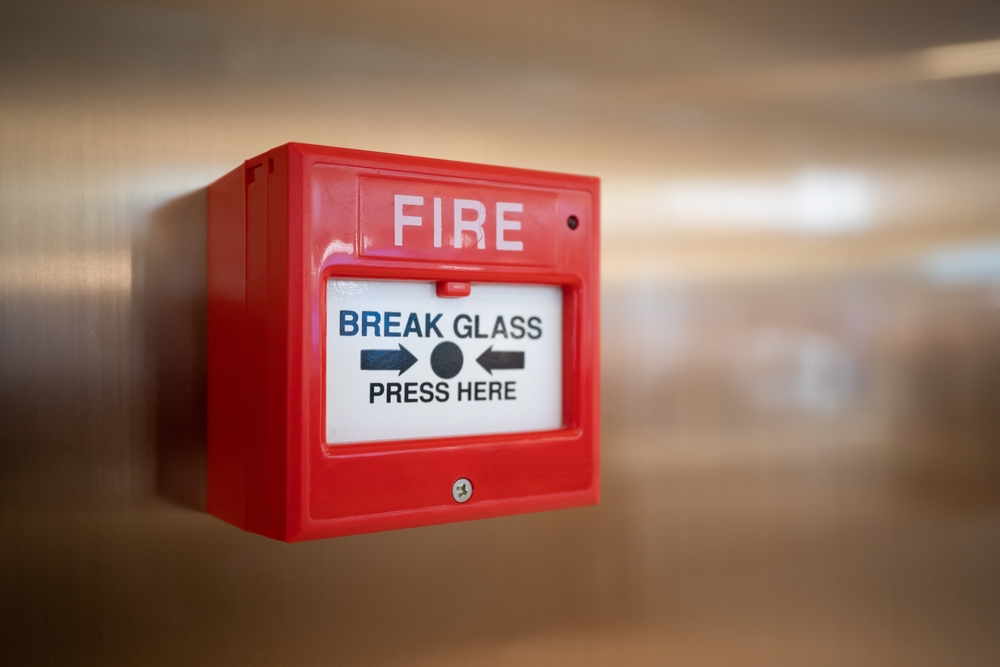
Owning a multi-tenant commercial building in Lawrenceville means managing more than leases, common areas, and maintenance requests. Each tenant can bring different equipment, occupancy patterns, storage practices, and fire risks into the same property, while shared fire protection systems may serve the entire building.
Quick answer: Property owners should treat fire protection as a building-wide responsibility, not a collection of separate tenant concerns. That means keeping shared fire protection equipment maintained, making sure exits and access routes stay clear, coordinating changes when tenants move in or remodel, and maintaining the documentation required for inspections. In Lawrenceville, commercial fire and life-safety oversight involves the Gwinnett County Fire Marshal, making coordination especially important when tenant spaces change.
What local property owners should know
-
A change in tenant, business use, layout, or fire protection equipment can create new inspection, plan-review, or permitting requirements.
-
Commercial businesses in Lawrenceville must work through Gwinnett County fire review as part of the local Certificate of Occupancy process.
-
Shared exits, corridors, alarm components, sprinkler systems, and other common fire-safety features cannot be managed effectively if each tenant acts independently.
-
Busy commercial corridors around Sugarloaf Parkway and other parts of Gwinnett County may contain buildings with very different tenant uses under the same roof.
-
Good documentation makes it easier to track inspections, testing, repairs, tenant changes, and outstanding deficiencies.
Why Fire Protection Requires Extra Attention in Multi-Tenant Buildings
Fire protection requires extra attention in multi-tenant buildings because one tenant’s operations or alterations can affect people and property far beyond that individual suite. Shared walls, common exits, interconnected systems, and changing occupancy types mean owners need a coordinated approach that considers the entire property rather than addressing each space in isolation.
A retail tenant may have different risks from an office, restaurant, medical practice, or service business. New shelving could affect sprinkler coverage. Renovations could alter exits or fire alarm devices. Storage could migrate into electrical or mechanical areas. A restaurant tenant could also introduce commercial cooking equipment and suppression requirements that do not apply elsewhere in the building.
For Lawrenceville property owners, the larger challenge is maintaining consistency as tenants change over time.
AAA Fire Protection Resources, Inc. works with local property owners who need to understand and manage fire protection needs. After that initial assessment, we can help property managers focus on the systems and conditions that deserve attention rather than treating fire safety as a once-a-year paperwork exercise.
What Gwinnett County Inspectors May Look For
Gwinnett County fire inspections can include the condition, maintenance, testing, and accessibility of fire and life-safety features throughout a commercial property. The exact requirements vary by occupancy and building, so owners should evaluate the systems actually installed at their property and any requirements associated with individual tenant uses.
Gwinnett County Fire & Emergency Services publishes commercial inspection guidance that identifies items such as current sprinkler and alarm testing documentation when those systems are present, properly maintained fire extinguishers, clear exits, functioning emergency and exit lighting, accessible electrical equipment, and proper suite identification.
For a multi-tenant property, owners should pay particular attention to common areas. A tenant may maintain the inside of its suite while a problem in a shared corridor, stairwell, mechanical space, or exterior access point remains the owner’s responsibility.
How Tenant Changes Affect Fire Protection
Tenant changes can affect fire protection whenever a new business changes the use, layout, equipment, occupancy, or fire-safety demands of a commercial space. Property owners should therefore include fire and life-safety review in their turnover process instead of waiting until construction is complete or the new tenant is preparing to open.
The City of Lawrenceville directs commercial properties through Gwinnett County fire review during its tenant-space and Certificate of Occupancy process. A new occupant may need more than a fresh sign and cosmetic improvements.
Changes involving walls, exits, sprinkler components, alarm systems, commercial kitchens, or occupancy classification may require additional review.
This is particularly relevant for shopping centers, professional office properties, flex buildings, and other multi-suite developments across Lawrenceville and nearby Gwinnett County communities such as Dacula, Snellville, Duluth, and Suwanee.
Warning Signs Property Owners Should Not Ignore
Warning signs in a multi-tenant building often appear as small maintenance or housekeeping problems before they become larger fire-safety concerns. Owners and property managers should use routine site walks to catch visible issues early and follow up with qualified professionals when a system, device, or code-related condition needs evaluation.
Watch for:
-
Fire extinguishers with missing, damaged, or outdated service information.
-
Exit doors, corridors, or stairways blocked by boxes, displays, furniture, or deliveries.
-
Emergency lights or illuminated exit signs that appear damaged or do not operate correctly.
-
Storage accumulating near electrical panels or mechanical equipment.
-
Sprinkler heads that appear obstructed, painted, damaged, or affected by new shelving or tenant improvements.
-
Fire alarm devices that have been covered, damaged, disconnected, or affected by remodeling.
-
Missing or unclear suite numbers that could make emergency response more difficult.
-
Fire protection inspection reports showing unresolved deficiencies.
A property walk through Downtown Lawrenceville or along major commercial corridors can reveal how quickly tenant operations change. Fire protection planning needs to keep pace with those changes.
When to Call a Fire Protection Professional
Property owners should call a fire protection professional when a system requires inspection, testing, service, repair, modification, or evaluation beyond a simple visual property check. Owners can monitor housekeeping and obvious obstructions, but they should not attempt to repair or alter specialized fire protection equipment themselves.
A professional review is particularly appropriate before or after tenant renovations, when an inspection report identifies a deficiency, when equipment is damaged, or when records show that required service may be due.
The earlier these issues are addressed, the easier it is to coordinate repairs around tenants and normal business hours.
Common Fire Protection Problems in Local Multi-Tenant Properties
The most common fire protection problems in local multi-tenant properties often come from changing tenant conditions, inconsistent maintenance, and unclear responsibility between landlords and occupants. These are management problems as much as equipment problems, which makes a written process especially useful for Lawrenceville property owners.
1. Tenant improvements without early coordination. Walls, ceilings, shelving, and equipment can affect existing protection systems.
2. Blocked common areas. Deliveries, stored merchandise, and discarded furniture can gradually reduce access to exits or equipment.
3. Unclear maintenance responsibility. A lease may assign certain obligations to tenants while building-wide systems remain under owner control.
4. Missing documentation. Even completed inspection or testing work is harder to verify when reports cannot be located.
5. Deferred deficiencies. Small repair items can remain unresolved because no one has been assigned responsibility for closing them out.
Fire Protection Maintenance for Multi-Tenant Buildings
Effective fire protection maintenance combines scheduled professional service with regular property-management checks between service visits. In Gwinnett County, this approach helps owners identify changes early, maintain useful records, and prepare for fire compliance inspections without scrambling to correct preventable issues at the last minute.
Property managers can periodically check that exit paths remain open, doors have not been obstructed, suite identification is visible, and tenants are not using common electrical or mechanical spaces for storage.
Professional inspection, testing, maintenance, or repairs should be handled according to the equipment involved and applicable requirements.
Tenant turnover is also a good time for a fire-safety review. Before a new Lawrenceville business begins renovations or moves equipment into place, owners should determine whether the proposed changes could affect existing fire protection.
Common Mistakes Property Owners Make
The biggest mistakes occur when owners assume fire protection belongs entirely to the tenant or only needs attention when an inspector arrives. Multi-tenant buildings need ongoing coordination because systems, common areas, and building conditions continue to change throughout the life of each lease.
Mistake: Waiting until the final stages of a tenant buildout.
Consequence: Required changes may interfere with completed construction or delay occupancy.
Better approach: Include fire protection considerations early in tenant planning.
Mistake: Keeping service records in separate tenant files with no central log.
Consequence: Property managers may have difficulty verifying what has been inspected or repaired.
Better approach: Maintain a building-level record for shared fire protection equipment.
Mistake: Assuming tenants will report every problem.
Consequence: Common-area issues may remain unnoticed.
Better approach: Conduct routine owner or property-manager walkthroughs.
A Common Lawrenceville Multi-Tenant Scenario
A common Lawrenceville scenario involves a commercial suite changing from one type of business to another while the building’s shared systems remain in place. The new tenant may change the floor plan, add storage, install equipment, or alter how customers and employees use the space, all of which can affect fire and life-safety planning.
The safest approach is to identify these changes before the tenant is ready to open. Property management, contractors, the appropriate reviewing authorities, and qualified fire protection professionals can then address issues in the correct sequence.
This is not a case study of a specific property. It is a common management situation owners can plan for during leasing and tenant turnover.
Fire Protection Solutions for Commercial Property Owners
Commercial fire protection solutions should be matched to the systems installed in the building and the hazards associated with its tenants. Depending on the property, professional work may involve inspection, testing, maintenance, repairs, or coordination related to fire extinguishers, sprinkler systems, alarms, suppression equipment, and other life-safety components.
Rather than assuming every suite has the same needs, owners should maintain a clear inventory of building systems and understand which equipment serves individual tenants versus multiple spaces.
Comparing Owner Checks With Professional Fire Protection Service
Owner checks are useful for identifying visible problems, while professional service is necessary for technical inspection, testing, maintenance, repairs, and system changes. Using both approaches gives multi-tenant property owners better oversight without encouraging property staff to perform work that belongs with trained fire protection personnel.
Property managers can watch for obstructed exits, damaged equipment, storage problems, and tenant changes. Professionals can evaluate equipment condition, perform required service, document findings, and address deficiencies within the scope of the systems they service.
The two roles should complement each other.
Fire Protection Service Areas Around Lawrenceville
Lawrenceville property owners are part of a larger Gwinnett County commercial market that includes nearby communities such as Dacula, Snellville, Suwanee, Duluth, and Buford. Multi-tenant properties throughout the area face similar challenges involving turnover, renovations, mixed occupancies, documentation, and shared fire protection systems.
Local planning is especially valuable for owners managing multiple commercial properties across the county.
The Cost of Ignoring Fire Protection Problems
Ignoring fire protection problems can lead to unresolved deficiencies, additional repair work, inspection complications, occupancy delays, business disruption, and greater risk to people and property. For a multi-tenant building, the impact can extend beyond the suite where the original problem began.
Gwinnett County notes that failed inspections can result in re-inspection fees. More importantly for property owners, an unresolved issue can interfere with tenant schedules and create unnecessary friction during openings, renovations, or property transactions.
Addressing deficiencies promptly also makes maintenance easier to budget and coordinate.
Frequently Asked Questions About Multi-Tenant Fire Protection
Who is responsible for fire protection in a multi-tenant building in Lawrenceville?
Responsibility depends on the building, installed systems, lease terms, and the specific issue involved. Owners commonly oversee shared building systems and common areas, while tenants may have responsibilities within their individual suites. Property owners should confirm responsibilities in their leases without assuming a lease provision replaces applicable fire and life-safety requirements.
Does a new commercial tenant in Lawrenceville need fire approval?
Commercial tenant changes can require Gwinnett County fire review as part of the local occupancy process. The City of Lawrenceville instructs commercial applicants to obtain a Gwinnett County Fire Certificate of Occupancy as part of opening a business, so owners should address fire review early when planning a tenant transition.
What fire protection records should a Gwinnett County property owner keep?
Owners should retain current records associated with inspection, testing, maintenance, repairs, and deficiencies for the fire protection systems installed at their building. Organized records make it easier to track service history, respond to inspection requests, manage vendors, and confirm that outstanding work has been completed.
Can a tenant renovation affect the building’s sprinkler or alarm system?
Yes, tenant renovations can affect sprinkler coverage, alarm devices, exits, and other life-safety features depending on the work being performed. New walls, ceilings, shelving, equipment, or room arrangements may change conditions that existed when the original system was designed, so proposed modifications should be reviewed before construction progresses.
How often should a Lawrenceville property manager check common fire-safety conditions?
Property managers should monitor visible common-area conditions regularly rather than relying only on formal inspections or scheduled service. The appropriate frequency depends on tenant activity and property use, but routine walkthroughs can catch blocked exits, storage problems, damaged devices, or building changes before they remain unnoticed for long periods.
Are fire extinguishers the tenant’s responsibility in a Gwinnett County commercial building?
Fire extinguisher responsibility depends on the property arrangement and lease, but the equipment still needs to meet applicable requirements regardless of who pays for service. Owners should clearly document responsibility and verify that required maintenance is actually occurring rather than assuming each tenant is handling it correctly.
What should owners do before a new tenant moves into a Lawrenceville suite?
Owners should review the proposed use, layout, construction work, equipment, exits, and potential impact on existing fire protection before occupancy. Starting early helps identify whether plan review, permits, system changes, inspections, or other approvals may be necessary before the tenant’s opening date approaches.
Can blocked exits create problems during a Gwinnett County fire inspection?
Yes, exits and exit routes are expected to remain clear and usable, and Gwinnett County inspection guidance specifically addresses unobstructed exits and properly operating doors. Property managers should watch common corridors, rear doors, stairways, and other areas where merchandise, deliveries, furniture, or temporary storage can accumulate.
Protect Your Lawrenceville Commercial Property With Better Fire Protection Planning
Good fire protection planning helps Lawrenceville property owners protect tenants, reduce avoidable disruption, and keep building-wide safety responsibilities organized as occupants change. A proactive approach makes it easier to address maintenance, documentation, renovations, and deficiencies before they interfere with normal property operations.
Keep Your Multi-Tenant Property Prepared
We can help you evaluate fire protection needs and determine the appropriate next steps for your commercial property in Lawrenceville and the surrounding Gwinnett County area.
Categorised in: Fire Protection System
This post was written by admin