Kitchen Fire Suppression Systems: What Commercial Food Service Operators Need to Know
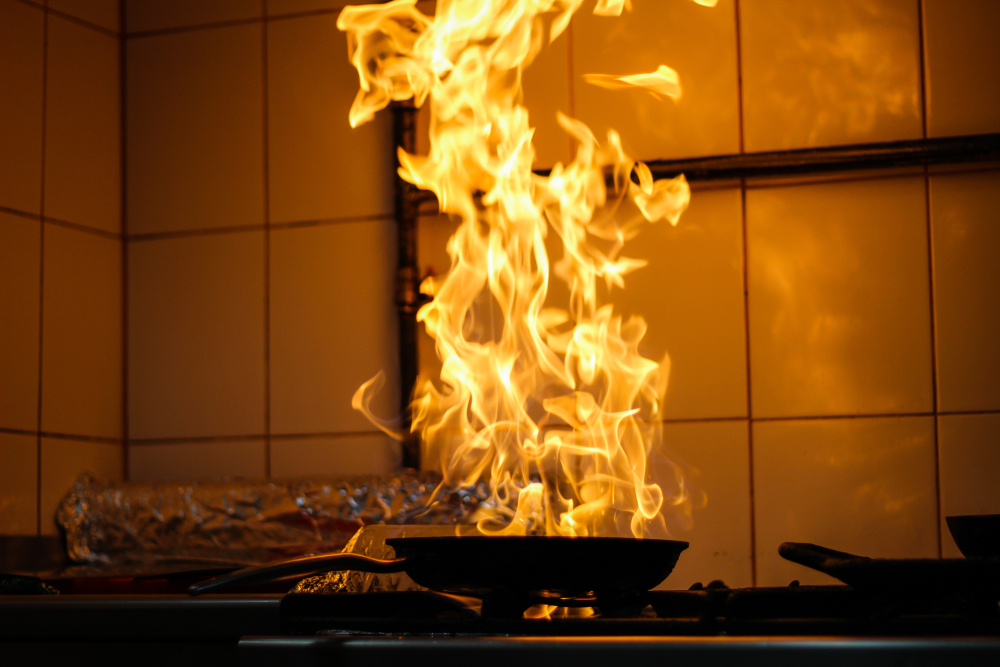
A busy commercial kitchen depends on high-temperature cooking equipment, fast-moving employees, and carefully coordinated food preparation. Whether you’re operating a restaurant in Downtown Lawrenceville, managing a hotel kitchen near Sugarloaf Parkway, or overseeing food service at a Gwinnett County institution, keeping your cooking area protected is essential. Grease, hot cooking oils, open flames, and heated equipment can create fire hazards that demand specialized protection. Understanding how your kitchen fire suppression system works can help you make informed decisions about equipment, maintenance, and everyday operations.
Commercial kitchen fire suppression systems are designed to detect and suppress fires involving cooking equipment, particularly appliances that produce grease-laden vapors. Many systems use wet chemical extinguishing agents, strategically positioned discharge nozzles, and automatic fuel or power shutoff features to help control cooking fires. However, the appropriate design depends on the appliances, cooking methods, and applicable fire safety requirements. Regular professional inspection and maintenance are necessary to keep these systems ready for use.
For food service businesses throughout Lawrenceville, GA, several important considerations deserve attention:
-
Commercial kitchens have specialized fire protection needs. Cooking equipment that produces grease-laden vapors generally requires protection designed for those hazards.
-
Automatic suppression systems protect specific equipment and cooking areas. Coverage must match the appliances and arrangement of the cooking line.
-
Gwinnett County requires regular professional attention to kitchen suppression equipment. Its published fire inspection guidance identifies inspections within a 6-month service window.
-
Kitchen renovations can affect suppression coverage. Moving fryers, ranges, or other appliances may require a professional review of the existing system.
-
Fire suppression is only one part of kitchen safety. Proper exhaust cleaning, employee instruction, and emergency procedures remain essential.
At AAA Fire Protection Resources, Inc., we’ve been helping Georgia businesses address commercial fire protection needs since 1981. Based in Lawrenceville, we supply fire safety equipment and provide services involving fire extinguishers, suppression equipment, alarms, emergency lighting, and other commercial protection systems. Our published resources also address restaurant fire protection and commercial cooking hazards. We understand that reliable fire protection depends on equipment suited to the application and maintained according to the appropriate requirements.
How Do Commercial Kitchen Fire Suppression Systems Work?
Commercial kitchen fire suppression systems work by detecting a fire in a protected cooking area and releasing an extinguishing agent onto designated hazards. Depending on the system design, activation can also interrupt the fuel or power supply to covered appliances, helping limit continued heat input while the extinguishing agent controls the fire.
Fire Detection and System Activation
A kitchen fire suppression system typically includes detection devices positioned to respond to conditions associated with a cooking fire. Many pre-engineered systems use heat-responsive detection components, although the exact technology depends on the equipment manufacturer and system design.
When the system activates, it releases the designated extinguishing agent through nozzles positioned to protect specific appliances and associated areas. The placement of these components is carefully determined during system design and installation.
A manual activation device is also provided as part of applicable commercial cooking protection arrangements. Employees should know its location and understand their established emergency procedures without attempting to alter or service the equipment.
Why Wet Chemical Agents Are Common
Many modern restaurant fire suppression systems use wet chemical extinguishing agents because they’re designed to address fires involving hot cooking oils and grease. These agents help suppress flames and cool affected surfaces, with certain formulations creating a protective layer over cooking fats.
This approach is particularly important because commercial fryers and other cooking appliances can maintain high temperatures. An extinguishing method suitable for ordinary combustible materials may not be appropriate for a cooking-oil fire.
Not every commercial suppression system uses the same extinguishing agent or activation arrangement. The correct equipment must be selected according to the hazards, manufacturer specifications, and applicable standards.
Automatic Shutoff Features
Commercial kitchen suppression arrangements generally include provisions to shut off the heat source associated with protected appliances when the system activates. The specific controls depend on whether the equipment uses gas, electricity, or another energy source.
This feature helps prevent continued heat input during suppression. However, activation doesn’t guarantee that every fire will be completely extinguished or that the area will immediately become safe.
Employees should prioritize evacuation and follow established emergency procedures when a fire occurs. Emergency services should be contacted by calling 911, and personnel should not attempt to reenter an unsafe cooking area.
Which Commercial Cooking Equipment Needs Fire Suppression Protection?
Commercial cooking equipment that produces grease-laden vapors generally requires an approved hood and associated fire suppression protection under applicable fire safety rules. The specific appliances and coverage requirements depend on the cooking process, equipment configuration, and adopted standards.
Deep Fryers and Cooking-Oil Hazards
Deep fryers present particular concerns because cooking oils operate at elevated temperatures. If oil overheats or ignites, the resulting fire can spread rapidly through the cooking area.
Modern commercial cooking suppression systems are designed to address these hazards through appropriate detection and extinguishing equipment. The protection must be compatible with the fryer arrangement and applicable system listing.
For restaurants throughout Lawrenceville and neighboring Dacula, fryer additions or replacements should trigger a review of existing suppression coverage. Even when a new appliance fits beneath the hood, it may not be adequately protected by the existing nozzle arrangement.
Griddles, Ranges, and Charbroilers
Commercial griddles, ranges, broilers, and similar appliances can generate grease-laden vapors during food preparation. Their cooking surfaces and exhaust arrangements may require specialized fire suppression coverage.
Charbroiling operations can introduce additional grease and residue into the exhaust system. This makes proper system design and ongoing exhaust maintenance particularly important.
A system originally designed for one cooking line may not remain appropriate after the equipment is rearranged. Operators should consult qualified professionals before modifying appliances or changing their positions beneath the hood.
Bakeries, Cafeterias, and Institutional Kitchens
Commercial cooking fire suppression isn’t limited to traditional restaurants. Schools, hospitals, hotels, catering facilities, bakeries, and institutional kitchens may also operate equipment that requires specialized protection.
However, the applicable requirements depend on the cooking activities and appliances involved. A facility that primarily reheats prepared food may have different hazards from one operating commercial fryers or grease-producing cooking equipment.
For food service directors throughout Gwinnett County, reviewing the actual equipment is more useful than assuming every commercial kitchen needs an identical system.
What Is the Difference Between a Kitchen Hood and a Fire Suppression System?
A kitchen hood ventilation system removes cooking vapors, heat, smoke, and airborne grease, while a fire suppression system detects and responds to fires in designated cooking areas. These systems work together but have different purposes, components, and maintenance requirements.
The Role of Commercial Kitchen Ventilation
A commercial kitchen hood captures cooking vapors and directs them through an exhaust system. Depending on the installation, the complete ventilation arrangement includes grease removal devices, ductwork, fans, and associated components.
Proper ventilation helps manage cooking conditions and reduce the accumulation of airborne grease within occupied work areas. However, the exhaust system itself isn’t a substitute for automatic fire suppression protection when suppression is required.
Grease deposits can accumulate within hoods, ducts, and exhaust equipment over time. These deposits create an additional concern because a cooking fire may involve more than the appliance where it begins.
The Role of the Suppression System
A kitchen hood fire suppression system provides designated fire protection for cooking appliances and related areas included in its approved design. Its nozzles, detection devices, agent supply, and activation equipment must be compatible with the protected cooking configuration.
The system is not simply an attachment that can be moved whenever kitchen equipment changes. Repositioning appliances or replacing components may affect whether the original protection arrangement remains suitable.
For Lawrenceville restaurant owners planning renovations, fire suppression should be considered before finalizing a new cooking line. Early coordination can help avoid discovering equipment compatibility problems after the kitchen has been rearranged.
How Often Should Commercial Kitchen Suppression Systems Be Inspected?
Commercial kitchen suppression systems generally require professional inspection at least every 6 months under the applicable commercial cooking fire protection framework. Gwinnett County’s published commercial fire inspection guidance specifically identifies a suppression system service date within 6 months of the fire inspection and requires documentation from a state-licensed fire suppression company.
Understanding Local Inspection Requirements
Georgia’s fire safety regulations reference NFPA 96 and related standards for commercial cooking operations. These standards address fire protection, ventilation, maintenance, and other requirements associated with commercial kitchen hazards.
Gwinnett County Fire & Emergency Services also provides guidance specifically for commercial kitchen ventilation and suppression arrangements. Its published materials identify semiannual inspection of the suppression system by properly qualified personnel.
Because adopted requirements and individual equipment specifications can change, food service operators should confirm the requirements applicable to their location. They should also follow the suppression system manufacturer’s service instructions.
What Happens During Professional Inspection?
A professional suppression system inspection involves evaluating the equipment according to the manufacturer’s procedures and applicable standards. Depending on the system, the work may include reviewing detection components, nozzles, agent containers, manual activation devices, and associated shutoff functions.
The technician may also assess whether the protected cooking equipment still matches the approved arrangement. Missing components, damaged devices, or unapproved changes can create deficiencies requiring correction.
The inspection should be documented according to the applicable requirements. Restaurant managers should retain service records so they can monitor maintenance history and provide documentation when requested.
Why Records Matter
Accurate service records help business owners verify when inspections were performed and whether any deficiencies remain unresolved. Documentation can also support communication between restaurant managers, property owners, and fire safety authorities.
For multi-tenant commercial properties in Lawrenceville, it is especially important to clarify who coordinates required suppression system service. Lease arrangements may assign certain responsibilities, but the equipment still needs to receive appropriate professional attention.
What Changes Can Affect a Kitchen Fire Suppression System?
Changes to cooking equipment, hood configurations, appliance locations, or kitchen operations can affect the suitability of an existing suppression system. Even seemingly minor adjustments may alter the hazards or coverage requirements, making a qualified review necessary before the modified cooking line is used.
Moving or Replacing Appliances
Restaurant operators sometimes rearrange equipment to improve workflow or accommodate menu changes. A fryer might be moved to another position, or an additional griddle may be installed beneath an existing hood.
These changes can affect nozzle positioning and the system’s intended coverage. The original suppression design may no longer match the appliance arrangement.
For restaurants expanding along Sugarloaf Parkway, Buford Drive, or other commercial corridors, planning suppression requirements alongside equipment changes can help reduce avoidable delays.
Changing Cooking Methods
A kitchen that introduces new cooking methods may create hazards that differ from those considered during the original system design. For example, adding high-volume frying or solid-fuel cooking equipment may require additional evaluation.
Certain cooking processes also affect exhaust cleaning needs. Operators should review the complete cooking arrangement rather than focusing exclusively on whether a new appliance fits physically beneath the hood.
Damage or System Discharge
A suppression system that has discharged requires professional service before it can be returned to normal operating status. Damaged detection devices, nozzles, piping, or activation components also require qualified evaluation.
Employees should not attempt to refill extinguishing agent containers, reset specialized equipment, or reposition nozzles themselves. These tasks belong with properly licensed and trained personnel.
What Maintenance Responsibilities Do Restaurant Operators Have Between Inspections?
Restaurant operators should monitor visible equipment conditions, maintain exhaust cleanliness, keep protected appliances in their approved positions, and arrange professional service when problems arise. These everyday responsibilities support the required technical inspections but do not replace them.
Watch for Visible Problems
Kitchen managers can use routine walkthroughs to identify conditions that deserve attention. They should avoid disturbing suppression components while checking the surrounding cooking area.
Potential warning signs include:
-
Missing or damaged nozzle covers: Visible problems should be reported to an appropriate service professional.
-
Appliances moved from approved positions: Changes can affect the intended suppression coverage.
-
Obstructed manual activation devices: Employees need clear access to designated emergency controls.
-
Damaged detection components: Visible deterioration may indicate the need for professional inspection.
-
Missing service records: Documentation should reflect completed inspections and outstanding deficiencies.
-
Grease accumulation around cooking equipment: Excessive buildup may indicate a need for additional cleaning.
-
Changes to the cooking line: New appliances or altered operations should be reviewed for compatibility.
Keep Hood and Duct Cleaning on Schedule
Commercial kitchen exhaust cleaning remains necessary even when an automatic suppression system is installed. Grease accumulation inside hoods and ducts can create hazards that suppression equipment alone cannot eliminate.
Cleaning frequency depends on cooking volume, methods, fuel sources, and applicable requirements. High-volume operations may require more frequent attention than facilities with occasional cooking activity.
Gwinnett County’s inspection guidance calls for documented cleaning of applicable hood system components by a qualified company. This is a separate responsibility from professional suppression system inspection.
Know When Cooking Must Stop
If a required fire suppression system or exhaust system is not operational, kitchen managers should stop using the affected cooking equipment. Gwinnett County’s published operating guidance specifically instructs operators not to use cooking equipment while its fire extinguishing or exhaust system is nonoperational.
Continuing normal food preparation under those conditions can create avoidable hazards. A qualified professional should evaluate the problem and confirm the appropriate corrective steps before operations resume.
How Can a Fire Protection Company Support Commercial Kitchen Safety?
A fire protection company can help food service operators identify suitable equipment, understand maintenance needs, and coordinate professional services within its confirmed capabilities. Specialized kitchen suppression work must be performed by appropriately licensed and qualified personnel familiar with the installed system.
Choosing Appropriate Equipment
Commercial cooking fire protection isn’t a one-size-fits-all purchase. The correct equipment depends on the cooking appliances, intended operations, hood arrangement, system listings, and applicable regulatory requirements.
At AAA Fire Protection Resources, Inc., we supply and service a range of commercial fire protection equipment and systems. Our product offerings include suppression equipment, fire extinguishers, alarms, emergency lighting, and other commercial safety products.
We also provide fire protection guidance for restaurants and other businesses in the Lawrenceville area. Customers should contact our team to confirm the availability and scope of specialized kitchen suppression services for their particular equipment.
Coordinating Multiple Fire Protection Needs
Commercial kitchens may also require portable fire extinguishers, building alarms, emergency lighting, and other safety equipment. These systems serve different purposes and must be maintained according to the rules and specifications applicable to each one.
For restaurants in Grayson, Snellville, Dacula, and surrounding Gwinnett County communities, keeping accurate equipment records helps simplify maintenance coordination. Business owners should also confirm which responsibilities belong to the tenant, property manager, or building owner.
Frequently Asked Questions About Commercial Kitchen Fire Suppression Systems
What is a commercial kitchen fire suppression system?
A commercial kitchen fire suppression system is specialized equipment designed to detect and suppress fires involving designated commercial cooking appliances. Many systems use wet chemical agents, strategically positioned nozzles, and automatic fuel or power shutoff functions. The specific design depends on the appliances and applicable standards.
Do restaurants in Lawrenceville, GA, need kitchen fire suppression systems?
Commercial cooking operations that produce grease-laden vapors generally require approved hood and fire suppression protection under applicable Georgia and local requirements. However, the specific obligations depend on the cooking equipment and facility. Operators should confirm their requirements with qualified fire protection professionals and the appropriate fire authority.
How often should a commercial kitchen suppression system be inspected in Gwinnett County?
Gwinnett County’s published guidance identifies semiannual professional inspection of commercial kitchen suppression systems. Its fire inspection checklist also calls for service documentation showing inspection within the preceding 6 months. Operators should verify current requirements and follow manufacturer instructions for their particular systems.
What happens when a kitchen fire suppression system activates?
When activated, the system releases its designated extinguishing agent through nozzles protecting the cooking area. Applicable systems also incorporate heat-source shutoff functions, depending on their design. Employees should follow emergency procedures, evacuate when required, and call 911 rather than assuming the area is immediately safe.
Is a kitchen hood the same as a fire suppression system?
No, a kitchen hood removes cooking vapors, grease, heat, and smoke through the ventilation system. A fire suppression system is designed to respond to designated cooking fires. Both serve important purposes, and each has maintenance requirements that operators must address.
Can restaurant employees inspect or repair kitchen suppression equipment?
Employees can monitor visible conditions and report concerns, but technical inspection, repair, and servicing require properly qualified personnel. Georgia has specific licensing and permit rules for pre-engineered kitchen fire suppression work. Employees should never modify nozzles, detection devices, agent containers, or activation components themselves.
Does adding a new fryer require a suppression system review?
Yes, adding or relocating a fryer can affect the coverage provided by an existing kitchen suppression system. The system must protect the cooking equipment according to its approved design and applicable requirements. A qualified professional should review proposed equipment changes before the revised cooking arrangement is used.
Can AAA Fire Protection Resources, Inc. help with restaurant fire protection in Lawrenceville?
Yes, we provide commercial fire protection equipment, supplies, and related services for businesses throughout the Lawrenceville area. Our offerings include fire extinguishers, suppression equipment, alarms, and other safety products. Restaurant operators can contact us to discuss their needs and confirm available specialized kitchen suppression services.
Protect Your Kitchen and Business With AAA Fire Protection Resources, Inc.
Commercial kitchen fire suppression systems play an important role in protecting restaurants, cafeterias, bakeries, and other food service operations from cooking-related fire hazards. Understanding how these systems detect and suppress fires, which appliances they protect, and why their placement matters can help managers make better equipment and maintenance decisions. Regular professional inspections, proper exhaust cleaning, and prompt attention to deficiencies are all necessary parts of a broader fire protection program. Although no system can eliminate every fire risk, appropriate equipment and responsible maintenance can help support safer kitchen operations.
At AAA Fire Protection Resources, Inc., we’ve served Georgia’s commercial fire protection needs since 1981. Our Lawrenceville business provides fire safety equipment and services for restaurants, professional facilities, retail properties, and other commercial operations throughout Gwinnett County and Metro Atlanta. We understand that food service environments have specialized protection concerns that require careful equipment selection and ongoing attention. Whether you’re evaluating fire protection products for a new kitchen or reviewing equipment at an existing facility, we’re here to help you explore appropriate options and understand the services available.
Get Commercial Kitchen Fire Protection Guidance in Lawrenceville, GA
If you’re reviewing your restaurant’s fire protection equipment or planning changes to a commercial cooking area, contact AAA Fire Protection Resources, Inc. to discuss your needs. Call 770-963-0887 to learn more about our commercial fire safety products, suppression equipment, and available services for food service operators. We’ll help you explore the appropriate next steps and determine which specialized equipment or professional resources may be needed for your kitchen.
Categorised in: Fire Suppression Systems
This post was written by admin