What Every New Commercial Property Owner Should Know About Fire Protection Systems
Buying a commercial property is a major investment, but many new owners focus on leases, renovations, and operations before taking a close look at their building’s fire protection systems. In Lawrenceville, GA, understanding how these systems work is essential for protecting occupants, meeting code requirements, and avoiding costly disruptions.
Quick Answer
Commercial fire protection systems include fire alarms, fire sprinkler systems, fire suppression systems, emergency lighting, fire extinguishers, and other life safety equipment designed to detect, control, and respond to fire emergencies. New commercial property owners should understand their inspection schedules, maintenance requirements, and responsibilities for fire code compliance in Georgia before occupying or operating a building.
What Local Readers Should Know
- Commercial property owners are responsible for maintaining compliant commercial fire protection systems, even if previous owners installed them.
- Routine fire alarm inspections, fire alarm testing and maintenance, and fire extinguisher inspections help identify problems before they become safety hazards.
- Buildings throughout Lawrenceville, Gwinnett County, and neighboring communities may have different system requirements depending on occupancy type and building use.
- Georgia businesses should understand applicable NFPA fire protection standards and local fire code requirements before making renovations or changing building occupancy.
- Regular commercial fire protection maintenance helps reduce unexpected downtime while extending the life of critical life safety equipment.
Why Fire Protection Systems Matter for Commercial Buildings
Commercial fire protection systems are the first line of defense during a fire emergency, helping protect lives, property, and business operations. For commercial properties in Lawrenceville, GA, maintaining these systems is also part of meeting local and state safety requirements.
Gwinnett County continues to see commercial growth, with office buildings, retail centers, industrial facilities, medical offices, and warehouses expanding throughout communities such as Duluth, Suwanee, Snellville, and Buford. Each property type presents different fire risks, making proper system maintenance especially important.
AAA Fire Protection Resources, Inc. helps businesses understand these requirements through professional fire protection services in Lawrenceville, GA that support safety, compliance, and long-term system reliability.
Understanding the Major Components of Commercial Fire Protection Systems
Commercial fire protection systems work together to detect fires, notify occupants, and help control the spread of flames until emergency responders arrive.
Commercial Fire Alarm Systems
Commercial fire alarm systems detect smoke, heat, or other fire conditions and notify building occupants through audible and visual alarms. Modern systems may also communicate with monitoring services or emergency responders depending on the building’s configuration.
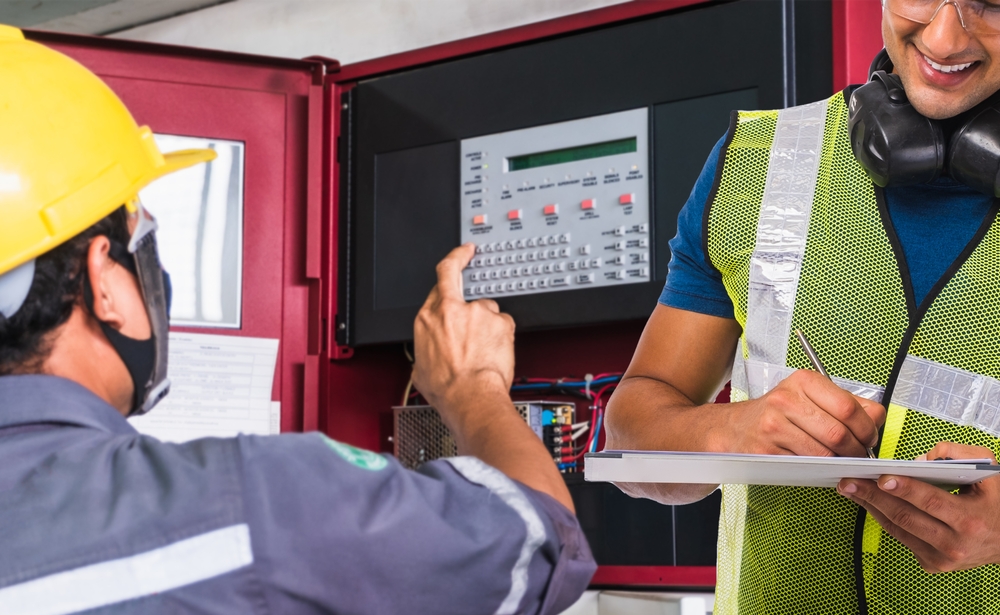
These systems require scheduled fire alarm inspections along with regular fire alarm testing and maintenance to verify that sensors, notification devices, batteries, and control panels continue operating properly.
Fire Sprinkler Systems
Fire sprinkler systems automatically discharge water when activated by heat. They are designed to control or suppress fires during the early stages, limiting damage while providing valuable time for occupants to evacuate safely.
Sprinkler systems should be routinely inspected for valve operation, water pressure, corrosion, damaged sprinkler heads, and other issues that could affect performance.
Fire Suppression Systems
Not every commercial space relies solely on sprinklers. Fire suppression systems may use clean agents, foam, dry chemicals, or specialized extinguishing agents for environments such as commercial kitchens, data centers, manufacturing facilities, or electrical equipment rooms.
Different suppression systems require specialized inspections based on the protected hazard.
Fire Extinguishers
Portable extinguishers provide occupants with a way to address small fires before they spread, when it is safe to do so. Regular fire extinguisher inspections help ensure extinguishers remain fully charged, accessible, and compliant.
Emergency Exit Lighting
Emergency exit lighting inspections verify that exit signs and emergency lighting function properly during power outages, helping occupants safely evacuate a building during emergencies.
Local Code Compliance Is an Ongoing Responsibility
Fire code compliance in Georgia requires more than installing equipment once. Commercial property owners are responsible for keeping systems operational through regular inspections, testing, repairs, and documentation.
Depending on the occupancy type, requirements may involve:
- Scheduled fire alarm inspections
- Routine sprinkler system inspections
- Fire suppression system testing
- Emergency exit lighting inspections
- Fire extinguisher inspections
- Documentation of maintenance activities
- Timely repairs when deficiencies are identified
Many inspection and testing schedules are based on NFPA fire protection standards, which provide nationally recognized guidance for maintaining life safety systems.
Professional Field Observation
Based on common field experience within the commercial fire protection industry, many new property owners assume that recently purchased buildings have fully compliant systems. However, inspections often uncover overdue maintenance, outdated equipment, damaged components, missing documentation, or systems that no longer match the building’s current occupancy.
Identifying these issues early helps property owners plan maintenance before small deficiencies become larger compliance or safety concerns.
How Fire Protection Affects Local Businesses
Reliable commercial fire safety helps protect employees, customers, tenants, inventory, equipment, and business continuity.
For businesses throughout Lawrenceville and surrounding Gwinnett County communities, unexpected fire protection deficiencies can lead to:
- Business interruptions
- Delayed occupancy approvals
- Failed inspections
- Increased repair costs
- Insurance complications
- Reduced occupant safety
Routine maintenance helps minimize these risks while supporting reliable building operations.
Warning Signs Your Fire Protection Systems Need Attention
Several indicators suggest your systems should be professionally evaluated:
- Fire alarm trouble signals remain active.
- Sprinkler valves show corrosion or leakage.
- Emergency exit lights fail during testing.
- Fire extinguishers have expired inspection tags.
- Building renovations have altered occupancy without updating fire protection equipment.
- Inspection records are incomplete or unavailable.
- Fire alarm devices appear damaged or obstructed.
- Previous maintenance dates are unknown.
When to Call a Professional
Commercial property owners can perform simple visual observations, but licensed professionals should handle inspections, testing, repairs, and system modifications.
Professional service is recommended when:
- Inspection schedules are approaching.
- Fire alarm trouble conditions appear.
- Sprinkler components show damage.
- Occupancy changes affect building use.
- Renovations modify walls, ceilings, or layouts.
- Local authorities require updated documentation.
Common Local Factors That Affect Fire Protection Systems
Several regional conditions can influence commercial fire protection maintenance in northeast Georgia.
Building Growth
Lawrenceville continues to experience commercial development, creating new construction alongside older buildings that may contain aging fire protection equipment.
Property Renovations
Many commercial properties undergo tenant improvements that may affect alarm devices, sprinkler coverage, or suppression system requirements.
Seasonal Weather
Heavy thunderstorms, humidity, and occasional freezing temperatures can affect electrical components, backup batteries, exterior piping, and emergency lighting if maintenance is neglected.
Changing Occupancies
Retail spaces converted into restaurants, offices, warehouses, or medical facilities may require updated fire protection systems to meet code requirements.
Prevention and Maintenance Tips
Routine commercial fire protection maintenance helps identify small issues before they become major problems.
Property owners should:
- Schedule required inspections on time.
- Keep inspection documentation organized.
- Test emergency lighting according to maintenance schedules.
- Ensure fire extinguishers remain accessible.
- Avoid blocking sprinkler heads or alarm devices.
- Notify fire protection professionals before remodeling.
- Address inspection deficiencies promptly.
What Property Owners Can Expect From Regular Maintenance
Routine maintenance helps improve system reliability while supporting regulatory compliance.
During scheduled service, professionals typically inspect equipment, perform required testing, document findings, identify deficiencies, and recommend repairs when necessary. Property owners receive records that support ongoing compliance and future inspections.
Common Mistakes New Commercial Property Owners Make
Mistake: Assuming previous owners completed all maintenance.
Consequence: Missed inspections or overdue repairs may create compliance issues.
Better approach: Review all maintenance records immediately after purchasing the property.
Mistake: Delaying inspection scheduling.
Consequence: Small problems may become larger repair projects.
Better approach: Establish a regular maintenance calendar.
Mistake: Renovating without evaluating fire protection systems.
Consequence: System coverage may no longer match the building layout.
Better approach: Consult qualified fire protection professionals before construction begins.
Common Local Scenario
A business purchases an existing office building in Lawrenceville and begins interior renovations for new tenants. During scheduled inspections, technicians discover that previous layout changes affected sprinkler coverage and several fire alarm devices require updates. Addressing these issues before occupancy helps avoid delays while supporting safer building operations.
Related Service Solutions
Maintaining commercial fire protection systems often includes multiple services working together, including:
- Commercial fire alarm systems
- Fire sprinkler systems
- Fire suppression systems
- Fire alarm inspections
- Fire alarm testing and maintenance
- Fire extinguisher inspections
- Emergency exit lighting inspections
- Commercial fire protection maintenance
Comparing Your Options
| Option | Benefits | Considerations |
|---|---|---|
| Visual owner checks | Helps identify obvious issues | Does not replace required inspections |
| Scheduled professional maintenance | Supports compliance and system reliability | Requires ongoing scheduling |
| Reactive repairs only | Addresses immediate problems | May increase long-term costs and downtime |
Service Areas
We proudly serve commercial property owners throughout Lawrenceville, GA, as well as surrounding areas including Duluth, Suwanee, Buford, Snellville, and communities across Gwinnett County. Our goal is to help local businesses maintain safe, compliant fire protection systems.
The Cost of Ignoring Fire Protection Maintenance
Ignoring maintenance can increase repair costs, create inspection failures, delay occupancy, and reduce system reliability during emergencies. Regular inspections help identify issues before they affect business operations or occupant safety.
Frequently Asked Questions
How often should commercial fire alarm inspections be completed in Lawrenceville, GA?
The required inspection frequency depends on the building, occupancy, applicable codes, and NFPA fire protection standards. A qualified fire protection professional can determine the proper inspection schedule for your property.
Are fire sprinkler systems required in every commercial building?
Requirements vary based on building size, occupancy, construction type, and applicable codes. Many commercial properties require fire sprinkler systems, while others may have different protection requirements.
Why is fire code compliance important in Georgia?
Fire code compliance helps protect building occupants while supporting legal occupancy requirements. Regular inspections and maintenance also help identify deficiencies before they become larger safety concerns.
What does fire alarm testing and maintenance include?
Fire alarm testing and maintenance typically includes inspecting detectors, control panels, batteries, notification appliances, wiring, and other system components to verify proper operation.
Should new property owners request maintenance records?
Yes. Reviewing previous inspection reports, testing documentation, and maintenance records provides valuable information about the condition and history of your fire protection systems.
What businesses benefit from fire suppression systems in Gwinnett County?
Restaurants, industrial facilities, laboratories, data centers, manufacturing operations, and other specialized commercial properties often rely on fire suppression systems designed for their specific hazards.
How often should fire extinguisher inspections be performed?
Inspection frequency depends on applicable regulations and building requirements. Regular fire extinguisher inspections help ensure extinguishers remain ready for emergency use.
Can renovations affect commercial fire protection systems?
Yes. Interior remodeling may affect sprinkler coverage, alarm device placement, occupancy classifications, or code requirements. Fire protection systems should be evaluated whenever significant renovations occur.
Protect Your Commercial Property with Reliable Fire Protection
Owning a commercial property means protecting both your investment and the people who use your building every day. Staying proactive with inspections, maintenance, and code compliance helps reduce risk while supporting long-term business success throughout Lawrenceville and the surrounding communities.
Schedule Professional Fire Protection Services
Keep Your Commercial Property Safe and Compliant
We help commercial property owners maintain dependable fire protection systems through inspections, testing, maintenance, and professional guidance tailored to their building’s needs.
Categorised in: Fire Protection System
This post was written by admin